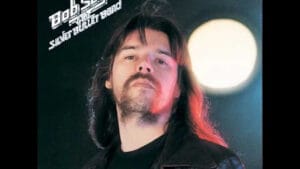
January 9, 2026 —– Chart #333
Hello Music Friends,
Hey folks, welcome to another edition of Chart of the Week. There are songs that drop you straight into a memory you didn’t even know you still had. Night Moves doesn’t ask permission — it just reaches into the glovebox of your past, pulls out a half-forgotten summer night, and hands it back to you like a postcard from your younger self. The opening guitar alone feels like headlights sweeping across a dirt road, and by the time Seger starts singing, you’re already back in that world where time went slow, responsibilities were optional, and romance ran on instinct rather than planning.
This is Seger at his absolute storytelling peak — warm, wistful, funny, tender, and more reflective than a man his age had any right to be in 1976.
The Backstory
Bob Seger grew up in Michigan, and Night Moves is basically his musical diary entry about teenage love, teenage mistakes, and the kind of experiences that only seem profound many years later. The specific inspiration came from a high school girlfriend who later married one of Seger’s close friends — meaning Bob wasn’t just nostalgic; he was nostalgic with footnotes.
He wrote the song in 1976, long after the events it describes, which explains the emotional clarity. At 31, he was looking back at his late teens with a mix of amusement, longing, and the gentle ache of realizing those days are gone for good.
The Recording
Night Moves was recorded not in Detroit, but at Nimbus Nine Studios in Toronto, with the help of Canadian musicians because Seger’s own Silver Bullet Band was off the road when inspiration struck.
Playing on the track:
- Bob Seger – vocals & acoustic guitar
- Joe Miquelon – guitar
- Jean Pomeroy – guitar
- Doug Edwards – bass
- Rhythm Ace Drum Machine – yes, there’s actually a drum machine keeping time
- Backing vocals – Laurel Ward & Rhonda Silver
The session had a loose, late-night feel — exactly the vibe the song needed. That dreamy “old memories rising up out of the dark” atmosphere wasn’t an accident; it was baked right into the room.
Chart Performance
- Released: December 1976
- Reached #4 on the Billboard Hot 100
- Became Seger’s first major national hit
- Later ranked among the Greatest Songs of All Time by Rolling Stone
This is the song that turned Bob Seger from a regional favorite into a national star. Detroit had known him for a decade — the rest of America finally caught up.
Fun Facts
- Seger originally thought the song was too slow and too long to be a single.
Good thing nobody listened. - The famous line “Working on mysteries without any clues” has been quoted in high school yearbooks for decades, usually by people who think they’re far more mysterious than they actually are.
- The “Night Moves” film montage at the end wasn’t planned — Seger added it after the main track was finished because the story didn’t feel complete without fast-forwarding into adulthood.
- The drum machine choice was accidental but perfect — it gives the song its unique, heartbeat-like pulse.
What’s It Really About?
Youth.
Desire.
Learning things the hard way.
Trying to act older than you are, and then looking back later and realizing how young you really were.
It’s a song about the first time you figured out that time doesn’t stretch on forever. It’s about the moment the world stopped being a playground and started being something bigger, scarier, and more complicated.
And it hits even harder now — especially in January, when everyone is looking backward and forward at the same time.
Playing the Song
This one is a crowd-pleaser on acoustic guitar. Friendly chords, steady strumming, and a relaxed tempo that lets the story breathe. Whether you’re playing a Taylor or Martin acoustic, the song sits beautifully under the fingers.
And if you can nail the quiet, breathy delivery of the verses?
You’re golden.
Why It Lasts
Because Bob Seger wrote the universal American coming-of-age song.
Because every listener hears a version of their own past tucked inside it.
Because nostalgia, when done right, doesn’t just look backward — it looks inward.
Night Moves reminds us that no matter how many years have passed, those early moments — the awkward ones, the romantic ones, the strange and wonderful ones — stay with us.
They flicker.
They glow.
They move.
Keep Rockin’,
Stan Bradshaw