July 31, 2026 —– Chart #361
Hello music friends,
Welcome back to another edition of Chart of the Week. This week we are going deep into soul music with one of the great heartbreak songs ever recorded.
Today’s feature is “The Dark End of the Street” by James Carr.
This is not a happy little toe-tapper. Nobody is driving to the beach in this song. Nobody is ordering nachos. This one lives in the shadows, and that is exactly where it belongs.
James Carr and a soul classic
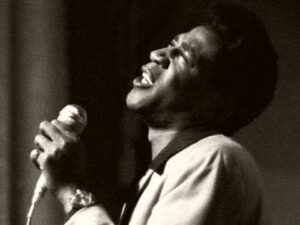
“The Dark End of the Street” was written by Dan Penn and Chips Moman and first recorded by James Carr in 1967. Carr was a Memphis soul singer with one of those voices that sounded like it had already lived through the whole story before the first note came out.
The song became his signature recording, reaching the Top 10 on the R&B chart and crossing over to the pop chart as well. It has since been covered by a long list of artists, including Aretha Franklin, Percy Sledge, Linda Ronstadt, Dolly Parton, Ry Cooder, and many others.
That tells you something. Great singers are drawn to great songs, and this one gives a singer a lot to work with.
The song
The lyric is about forbidden love, secrecy, guilt, and longing. It is not dressed up. It is not explained away. It just puts two people where they should not be, “at the dark end of the street,” and lets the emotional weight do the rest.
What makes James Carr’s version so powerful is the restraint. He does not oversell it. He sings it with ache, dignity, and just enough desperation. The band stays behind him, the horns answer in the right places, and the whole record feels like it was recorded after midnight.
It is a master class in soul singing. Carr does not just perform the song. He inhabits it.
The Commitments version
Years later, The Commitments brought the song to a new audience through the 1991 movie The Commitments. The film is about a group of working-class Dublin musicians trying to bring American soul music to Ireland, which sounds like a crazy idea until you watch it and realize it is fantastic.
If you have never seen The Commitments, put it on your must-watch ASAP list. It is funny, raw, musical, profane, chaotic, and full of great performances. In other words, it is a pretty accurate depiction of being in a band.
Their version of “The Dark End of the Street” is excellent. It does not replace James Carr’s recording, because nothing really does, but it honors the song and gives it a different kind of energy. The movie understood something important: soul music is not about geography. It is about feel.
And that band had feel.
A quick note for the guitar crowd
This is a beautiful song to play, but it needs space. Do not rush it. Do not overplay it. Let the chords breathe and let the vocal carry the story.
It is also one of those songs where the singer has to mean it. This is not background music. This is not a song to toss off between two cheerful numbers unless you want to clear the room emotionally.
But in the right moment, it is powerful.
So this week, we honor James Carr, one of the great soul voices, and we also tip our hats to The Commitments, who reminded a lot of people just how strong this song is.
Some songs shine in the bright lights.
This one does its best work at the dark end of the street.
Keep Rockin,
Stan